Macro-economy
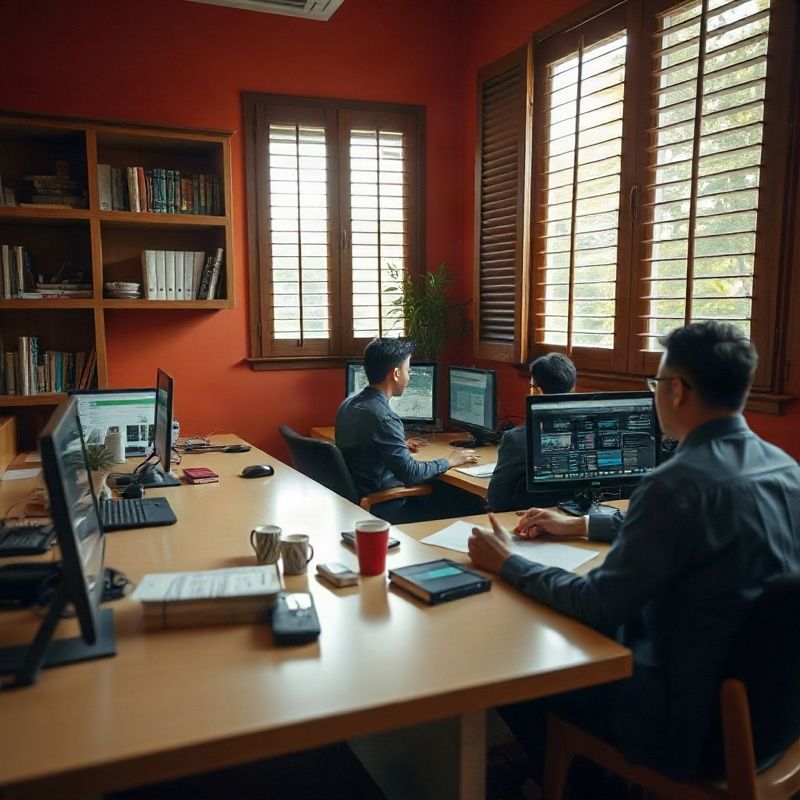
We track GDP components, inflation readings, and Bank of Thailand policy decisions through a Southern lens — asking which regional sectors absorb the impact first and how long the effects typically take to arrive at street level.

Southern Thailand's economics desk
Riverkalpha brings you measured, data-backed reporting on the regional forces — trade corridors, policy shifts, labor patterns — that rarely make the national headlines.
Read the latest analysis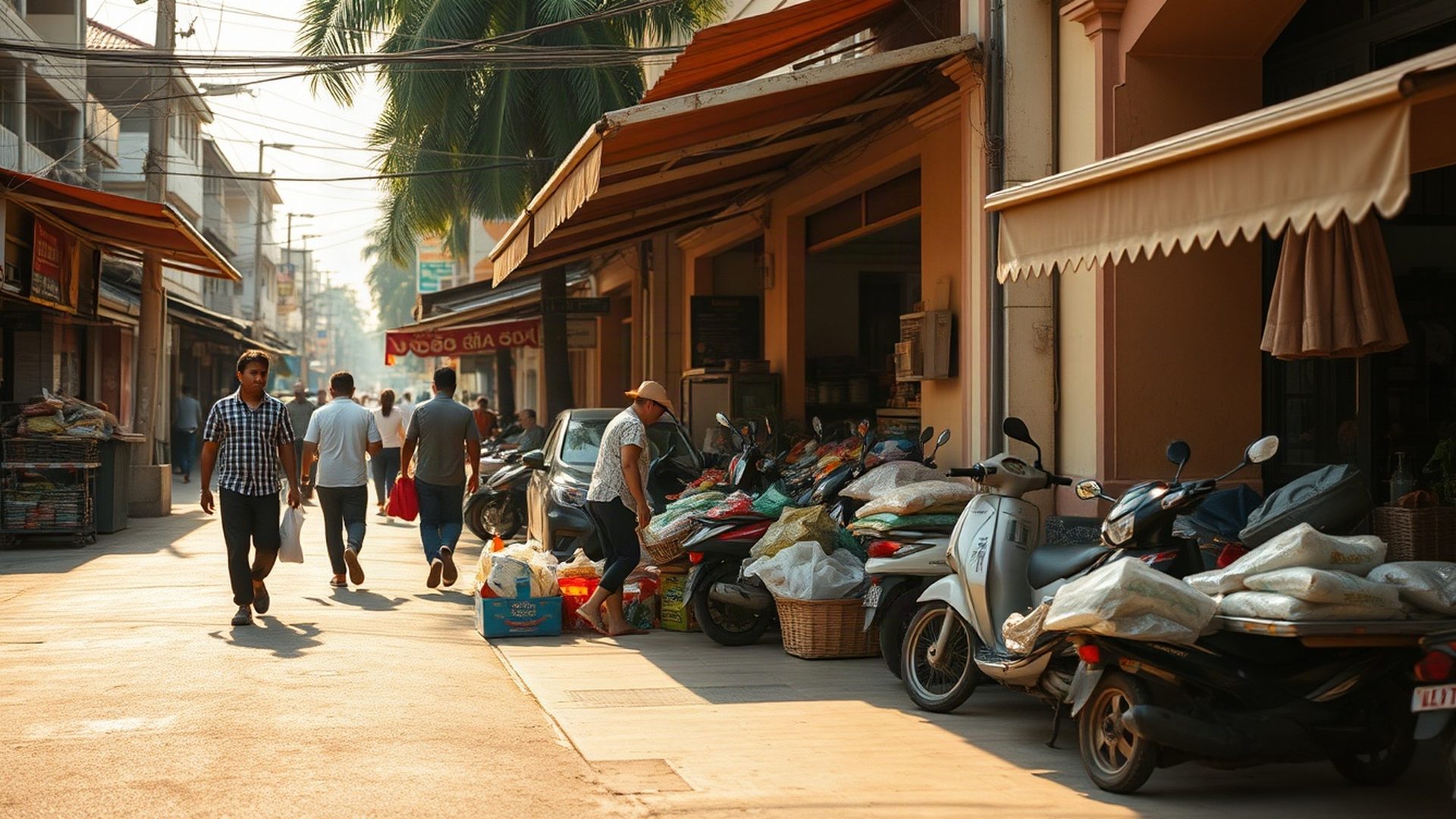
Economics reporting rooted in this region
Most national outlets treat Southern Thailand as a footnote — a data point in a Bangkok-centric chart. Riverkalpha was built to fill that gap. We follow the freight volumes moving through the Sadao checkpoint, track wage data across Songkhla's industrial estates, and watch the policy signals out of Bangkok that hit provincial budgets first. Our reporting is designed for decision-makers: local business owners, regional economists, public servants, and informed residents who need clear, accurate context rather than headline-driven simplification. We do not offer trading tips or investment recommendations — we offer the kind of rigorous, place-specific analysis that helps you understand what is happening and why.
Five pillars of our coverage
We track GDP components, inflation readings, and Bank of Thailand policy decisions through a Southern lens — asking which regional sectors absorb the impact first and how long the effects typically take to arrive at street level.
Hat Yai sits at one of Southeast Asia's busiest land-border corridors. We report on cross-border commerce, retail sentiment in Songkhla province, and how shifting exchange-rate environments affect import-dependent businesses in the region.
Employment data rarely tells the full story. We dig into sector-level hiring trends, migrant-labor flows through the southern provinces, minimum-wage implementation, and the gap between official unemployment figures and the informal economy.
From national budget allocations to Special Economic Zone regulations affecting the southern border region, we translate legislative and regulatory developments into plain-language explainers that show what a policy actually changes on the ground.
Energy prices, food costs, and school fees hit household finances before macroeconomic surveys catch up. Riverkalpha tracks the cost-of-living data points that matter most to families in Hat Yai, Hatyai, and surrounding districts.
What readers say about Riverkalpha
“I manage logistics for a mid-sized import firm in Hat Yai, and Riverkalpha is the only outlet that gave me a clear breakdown of how the 2023 fuel-subsidy phase-out would affect our operating costs in this province specifically. That kind of regional precision is genuinely rare.”
— Nattapong W., Hat Yai
Browse our full archive of analysis, data explainers, and policy breakdowns — all focused on Southern Thailand.
Why regional economics coverage matters
When the Bank of Thailand raises its policy rate, the effect is not uniform across the country. Tourism-dependent Phuket, manufacturing-heavy Songkhla, and agriculture-reliant Nakhon Si Thammarat each absorb the pressure differently. Riverkalpha exists because aggregate statistics can obscure as much as they reveal. A national unemployment figure of 1.2 percent tells you very little about whether factories on the Eastern Seaboard of Songkhla are hiring or shedding workers this quarter. Our editorial approach insists on grounding every macroeconomic narrative in specific, verifiable, regionally anchored data. That means slower stories, more field-sourced numbers, and conclusions that are more cautious — and more accurate — than what you'll find in a wire-service summary.